Social Emotional Learning

H.E.A.R.T.S
Our school community believes in our H.E.A.R.T.S values.
H.E.A.R.T.S stands for:
Humility
Empowerment
Aspiration
Responsibility
Teamwork
Scholarship.
Every morning, our students start their day focusing on their H.E.A.R.T.S value of the week using our community created rubric.
Every Thursday, two or three students per grade receive a H.E.A.R.T.S award for showing the value and attribute in the classroom.
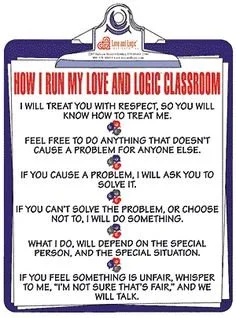
At P.S. 770 H.E.A.R.T.S Brooklyn, we believe that relationships matter. In our school, we do not use behavior systems, a “one size fits all approach,” or prizes. We do not believe in a “one size fits all approach.” Through our training and methods aligned with Teaching with Love and Logic, we build strong relationships and have high expectations. The goal is to reduce power struggles and teacher stress while helping students develop personal responsibility, problem-solving skills, and independence.
Core Principles
Empathy Before Consequences: When students misbehave, teachers respond with sincere empathy (remaining "sad, not mad") rather than anger, allowing natural or logical consequences to teach the lesson.
Shared Control Through Choices: Teachers offer small, limited, and acceptable choices within clear limits, satisfying students' need for autonomy without giving up classroom control.
Shared Thinking: Instead of solving problems for students, teachers ask guiding questions to prompt students to own and solve their own problems.
Maintaining Dignity: Discipline focuses on separating the behavior from the child's self-concept, preserving mutual respect between teacher and student.
Key Strategies
Enforceable Statements: Phrasing rules around what the teacher will do rather than making unenforceable demands (e.g., saying "I will grade assignments that are turned in on time" instead of "Turn your work in now").
Neutralizing Arguments: Using calm, repetitive one-liners ("I respect you too much to argue") to avoid getting hooked into power struggles with students.
Delayed Consequences: Taking time to think through a calm, logical response rather than reacting impulsively in the heat of the moment.
Teaching with Love and Logic
R.u.l.e.r
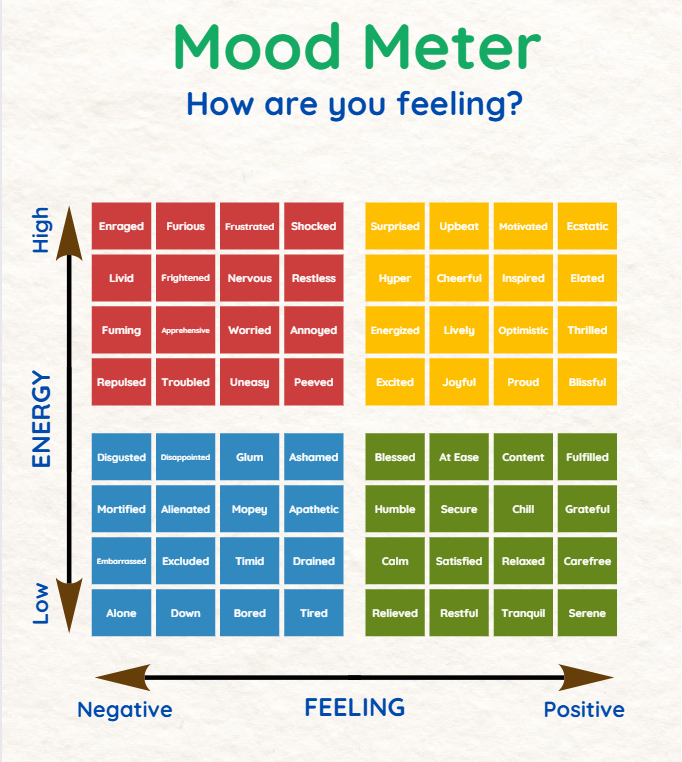
Every morning, all of our grades start with a morning meeting where they implement the R.U.L.E.R. approach. This stands for: recognize, understand, label, express, regulate emotions and was developed at the Yale Institute for Emotional Intelligence. Through this program we teach all members of our school community that all feelings are valid and how we express and regulate those feelings is what has impact on ourselves and others. Each morning, teachers, students, and staff members, check in on the mood meter and review their class charters.
Students and teachers start the day sharing how they are feeling (in the yellow, red, blue, or green) and create strategies to get through the day productively. Students have opportunities to move their names on the mood meter throughout the day and journal how they are feeling. For example, a student might come to school in the "red" (angry or mad) so a teacher would know to check in with that student and understand how to approach them. Other aspects of RULER is the charter, meta-moment, and action plan.
When conflict arises in the classroom, students and staff refer to the class charter as well as utilize “peace paths” and “reflection areas” to reset for a productive day.